Sunday, 28 October 2012

WHAT ITALIAN WOULD BE WITHOUT HIS TOMATO/POMODORO?

Every Italian cookbook accompanied by a cook uses the tomato/pomodoro in a variety of ways. The Italian garden must have tomato plants or it is not a real garden!

Even have a few photos from previous years.

Do you know the history? Barb reminded me and did some internet research of how the tomato originated in Central and South America-Mesoamerica. She likes history. It was even cultivated in Mexico in 500 BC. Two versions- Christopher Columbus working for Spain- an Italian from Genoa- brought the tomato back in 1493 or the second version when the Spaniards-Cortes, 1521 conquered the Aztecs brought the plants back to Spain. Piertro Mattioli, in 1544- an Italian physician and botanist wrote about the tomato being a new kind of eggplant. In 1548 in Italy- Cosimo de' Medici, Grand Duke of Tuscany-  wanted a piece of the action and had a basket of tomatoes sent to him. He even named them pomi d'oro- golden apples!


As we all know there are several kinds of tomatoes. Beefsteak make great hardy field tomatoes and grow in any vegetable garden in Canada.
For the pomodoro di passata, the roma tomatoes are the ones that are commonly used. My mother used to make bottles of passata every fall for use in the red sauce. I buy the ready made passata that comes from Italy now- always trying a new brand to see if it makes a difference in my cooking. Less work and the same taste. Like many modern cooks, freezing fresh tomatoes that can be used over the winter is another method of using them.There is another variety the San Marzano tomato which is Napolitana. Plum tomatoes from the can make a good addition to many recipes.

The cherry or grape variety are fun in appetizers. Or a welcome addition to any salad.


Boccincine and some tomatoes on a stick made a nice dish at one of my daughter's parties. Or go to the St. Lawrence Market to buy them ready made!
Any red sauce has tomatoes as the base. But fresh tomatoes simmered with some basil and salt and pepper to taste make a quick sauce on spaghetti.


Or fresh or frozen added to a vegetable soup!

Some more history- in 1897 Campbell in the United States marketed Campbell's tomato soup which is still enjoyed today. Comes in a can! Barb likes to eat it occasionally with toast for a quick lunch! Although it is a North American commodity, Canadians love Ketchup-made from tomatoes- on several foods.

A fun use for tomatoes is Bruschetta.


INGREDIENTS

2-3 fresh tomatoes.
Garlic buds.
Oregano.
Salt. Pepper
Olive Oil

DIRECTIONS

Chop up the tomato into little pieces.

Dice the garlic and add to the tomato mixture.

Add a teaspoon or two ( 20 ml) of oregano to the mixture. Or a pinch or two!

1-2 tablespoons ( 100 ml) of olive oil to the mixture.

Salt and pepper to taste.

Let sit by putting it in the refrigerator for an hour or so before serving.

Put on toasted bread or your favourite cracker or bun.

A fast bruschetta is just sliced tomatoes adding the same ingredients and putting on a slice of bread. It has the same taste.

Tomatoes in a tossed salad or a simple cucumber/tomato salad are best eaten fresh. I will miss the summer and fall garden with those homegrown ones. Back to greenhouse or the hothouse variety again through the winter.

I have even been adventuresome with growing tomatoes.

I tried growing some hanging tomatoes in 2012 but the plant wanted to grow up! I'll continue the traditional way next year. My final word on tomatoes- although there can be yellow ones- I prefer the red ones. According to the lastest trends in nutritional advice, eating lots of tomatoes or tomato based foods is very healthy! Fresh, frozen, bottled as passata or in a paste, it sure is a staple in Italian cooking. Regardless of its history coming from Mesoamerica, I think the Italians perfected its use!

Monday, 22 October 2012

PROSCIUTTO AS AN APPETIZER

For family gatherings or dinner parties, a quick fun appetizer is prosciutto on a bread stick.

Buy very fresh, thinly sliced prosciutto. Wrap it around the breadsticks as close to the time you want to serve them. They can be eaten alone or provide your favourite dip. Bread sticks can be thin or thick. The regular ones are okay but you can also use the multigrain if you prefer them. For those folks that just love prosciutto plain, ditch the bread stick!

Sunday, 14 October 2012

BRUSSEL SPROUTS-CANADIAN YET ITALIAN

Barb and I love Brussel Sprouts. It is a regular dish at Thanksgiving and Christmas and in between.

I boil them first usually early in the morning for any festive dinner.  Since I am up at 2 or 3 in the morning, what else is there to do.

Closer to the dinner, I fry some garlic in olive oil then put the brussel sprouts in the pan flipping them to get some oil and to heat them. If it is just Barb and me, I add some flecks of hot peppers to give them some kick. My kids love them too as it is another vegetable to add to any dinner. Does anyone have a different way of preparing Brussel Sprouts? I would love to hear as I will try something new.
#brusselsprouts#canadianfood#greatatThanksgiving#greatatChristmas#agoodvegetable

Saturday, 6 October 2012

THANKSGIVING CANADIAN TURKEY STUFFING

I do love to cook. However, Thanksgiving dinner belongs to Barb. Italians did not celebrate Thanksgiving until they came to Canada. Initially, I was not too fond of a Turkey dinner. It is not the most difficult meal to prepare but it is very tasty. Barb wanted to put her Bread stuffing on my blog. She learned to make it from her mother.

Barb says:
My Mom or Nana's Bread Turkey Stuffing was always a part of our Thanksgiving and Christmas festive dinners. Some Italians in Canada try to claim that a rice stuffing is better in the turkey. Rice stuffing belongs in a duck or cornish hen dish. For me, why try to reinvent a dish that is a great Canadian tradition.

BREAD STUFFING

1 loaf of white Canadian bread.
1/2 loaf of brown or whole wheat Canadian bread.
2-3 Garlic buds.
2 or 3 celery stalks- keeping the leafy middle pieces.
1 onion. White cooking onion or the red onion depending on  your choice.
Fresh parsley. The leafy portion
Sage.
Butter or Margarine- 2 or 3 tablespoons
Salt and pepper to taste.

Once you have decided what time you want to put the turkey in the oven. Make the bread stuffing about 1/2 hour prior.

DIRECTIONS

Washing your hands well before preparing the dish, it is important to wash all the vegetables to be used.

Get a large bowl to mix the ingredients.

Break the bread into bite size pieces mixing the two types together.

Finely dice the garlic buds. You can add more to the mix if you want.

Finely dice the celery stalks and the leafy middle pieces. The leafy pieces help to keep the stuffing together.

Finely chop the onions.

Finely chop the parsley. Use the leafy pieces not the stems.

Mix all the ingredients together.

Add sage- couple of teaspoons  and again mix in the dish. You can add more if you want. Again to taste.

If using butter, cut a few cubes of butter or use a few tablespoons of margarine and place on top, middle and bottom of the mixture.

Salt and pepper to taste.

Put aside.

Take the Turkey- Fresh or Frozen-which should be thawed and rinse out the cavity of the bird.  Put it in the roasting pan. Wash your hands.

Take your bread stuffing and forming handful balls put it in the cavity of the turkey, pushing and really packing it in there. I also put as much as I can in the backside of the bird.

If I can not sew or tie the legs together to keep the moisture of the stuffing intact while cooking, I place tin foil over the stuffed cavity.

Since my children and families love my stuffing, I often double up the recipe ingredients so I have more stuffing than room in the turkey.

I use a casserole dish to cook the extra stuffing. I add some of the beginnings of the gravy being slowly cooked on the stove with the turkey neck, organs for flavour.

The trick to good stuffing is it absorbs the flavour of the turkey while cooking inside so when there is extra stuffing that is cooked separately it does not get the same flavour and can be dry. So mix the stuffing from the bird and the extra together when serving to try to solve that problem.

I also have bought extra turkey thighs to cook. This is another way to cook the extra stuffing. In a casserole dish or separate pan, put the stuffing in the middle with the turkey thighs on the side, again packing them closely, putting on the lid or covering with tin foil to keep the moisture intact.

Depending on the size of the turkey, it is cooked until done. The stuffing is scooped out of the cavity and served in a bowl.

It is one of the main dishes at Canadian Thanksgiving dinners. Adolph and my girls love it so I would not make it any other way!!
#CanadianThanksgiving#breadstuffing#turkeydinner#recipeforbreadstuffingintheturkey#sagemakesthetaste#oldtimeCanadianrecipe

Sunday, 23 September 2012

A LOCAL FARM VISIT

Near us at Weston Road and Major Mackenzie is the Mini Farm or the Vaughan Food Terminal. Barb bought her friend at work some Kale plants from this farm in the Spring. We went back today to check it out- at Barb's insistence. I could have stayed on the couch watching golf!

Lots of bushel baskets with onions, peppers, hot peppers, eggplants, potatoes and containers of squash.


Looking around it was typical of so many small farm markets this time of year.


Maybe there are some of the onions we saw a couple of weeks ago in Holland Marsh?

Barb bought a few squash, corn and some apples.


Here are Barb's squash purchases. She wanted a variety for our upcoming Thanksgiving dinner in two weeks. Barb usually likes to make 2-5 different kinds depending on who is coming for dinner. The large yellow one or spaghetti squash will be used for a casserole dish. The green ones- acorn and hubbard will be sliced and baked. The little ones will be used for decoration and eaten at a future date in a weekly dinner. I don't like squash. Perhaps if I actually tasted it I could change my mind!
#alocalfarmvisit#squash#freshvegetables#corn#apples#onions#buyingatalocalmarket

Sunday, 16 September 2012

STUFFED EGGPLANT/MELANZANA ALLA PARMIGIANA

The summer harvest is in the markets. One vegetable that is plentiful is the eggplant/melanzana. You either like the vegetable or you don't. My mother used to fry it in thin slices but it absorbed so much oil, it is not a dish I make anymore. Some Italians like to slice it and put it in jars in oil to eat as an appetizer or on a sandwich throughout the year.


I use it in my veggie mix. However, one of my favourite ways to make it and Barb loves it, is stuffed.

STUFFED EGGPLANT

INGREDIENTS

Eggplant- regular or Sicilian. One eggplant makes two servings.

Garlic- 3 buds or more.

Bread crumbs- 1/2 cup per 1/2 eggplant. Some Italians like to make their own by using stale bread, made into cubes soaked in some water for moisture.

Parmesean/parmigiano cheese. Grated. Have as much as needed for the number of people you are serving.

Can of diced or whole tomatoes. You can use a fresh tomato if you want.

Olive oil.

Parsley.

Orgeano.

Salt, pepper.

DIRECTIONS

1. Wash the eggplant well.

2. Cut off the stem end. Cut the eggplant lengthwise in half. Place in a cassorole dish.

3. Scoop out the belly of the eggplant, leaving some pulp in the shell.

4. Dice the scooped eggplant. Dice the garlic buds, Chop the parsley.

5. Mix the eggplant, garlic, parsley with the bread crumbs and some olive oil-enough to make it moist. Add some oregano, salt and pepper to taste.

6. Put the mixture in the shells.

7. Add a generous portion of diced tomatoes on top. If whole tomatoes, chop into pieces to add on top.

8. Sprinkle with parmesean cheese on top of the tomatoes. Again add as much as you like to eat. Some people would also add mozarella or pecorino cheese. As a diabetic person less cheese is less calories so I do not use additional cheese.

9. Put in a preheated oven at 375 degrees.

10. Bake for about 45 minutes or until the outer shell is tender when poked by a fork.

11. When removed from the oven, let sit for awhile so it sets.

This dish is a good one to make when you are baking or making other oven dishes. Saves on energy.

As you can see the portions are big. Barb usually eats 1/2 of a piece, taking the other half to work for her lunch the next day. So one eggplant could make 4 servings if needed. Yes, it smells good when baking in the house.
#stuffedeggplant#parmigianocheese#bakingintheoven#sicilianeggplant#twokindsofeggplant#regulareggplant#buyingvegetablesatalocalfarm#cookingeggplantItalianstyle

Sunday, 9 September 2012

THE ONION/LA CIPOLLA-A MUST FOR COOKING

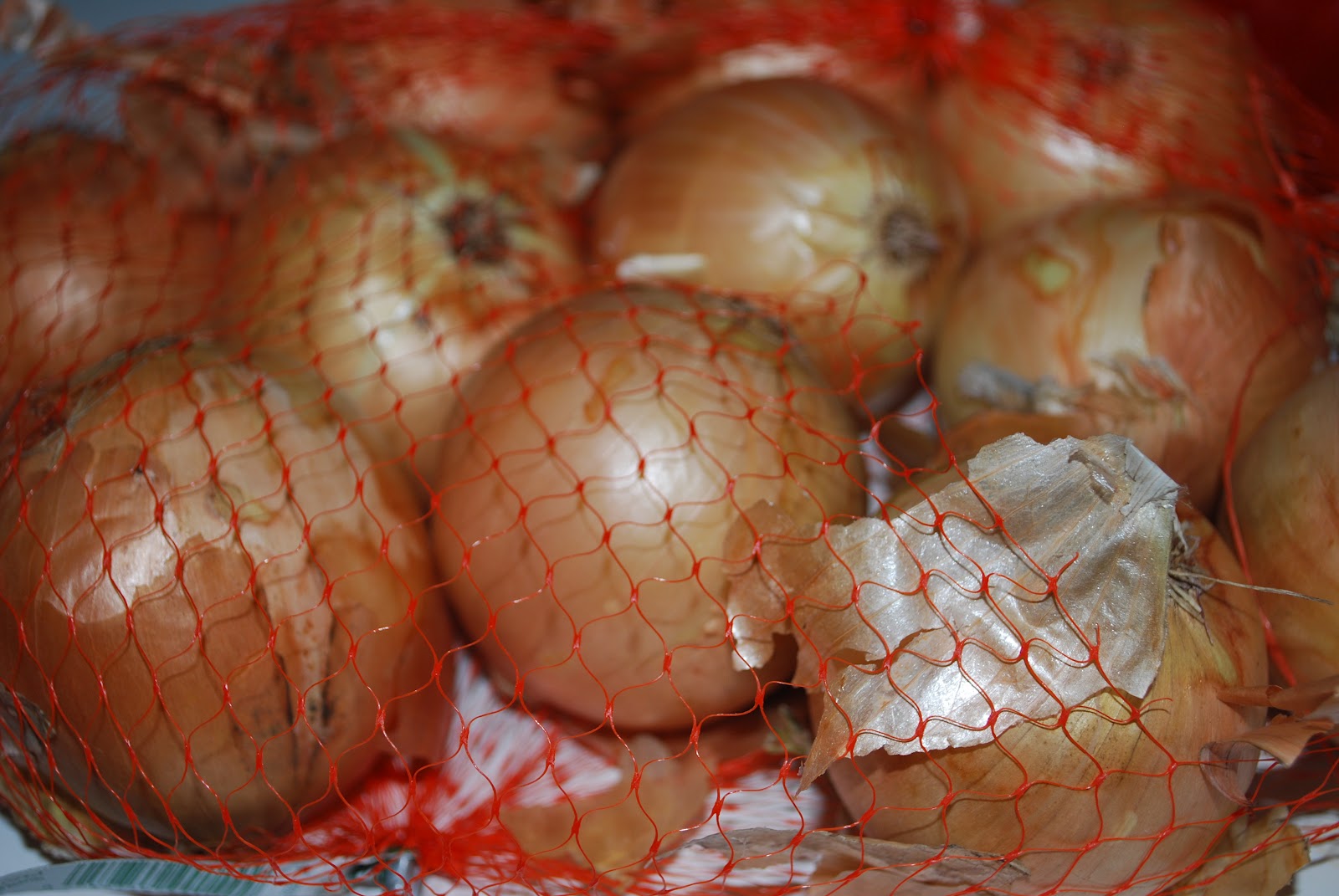
Onions are used in cooking constantly. I don't eat an onion like I would eat a piece of fruit or a vegetable. I love fried onions- cooked in a little oil with no garlic- as a side dish on a steak or by other meat. Of course a slice of onion on a hamburger adds to the flavour!

Ordinary cooking onions are used in my sauces, soups and salads. Sometimes I buy the red onion to use in Greek Salad. Barb made a potato salad for a family event using them as a garnish on the top.

I was not impressed as I thought she put too many onions. She does not like to mix them in the salad but allows for people to decide if they want any onion or not. She thinks if the onion stays too long in the potato salad it begins to taste like onion!

Over the Labour Day weekend, we took one of our final little summer jaunts. We took a morning drive to the The Holland Marsh area north of Toronto and not very far from us.


It is a large wetland and agricultural area growing many vegetables especially carrots and onions.


There were still some onions growing in the fields ready for harvest.

On one road we saw crates of onions waiting to go to market.


The odour was quite pungent. You knew there were onions in the crates.


We stopped at one market in Bradford- the major town in the area.


I didn't buy any onions but some cauliflower and grapes. Barb wanted to make some grape jam for me- my favourite!
#cipolla#onion#goingtomarkets#granpalovestocook#adolphdimambro#onionsarepungent